



Research Review: eSafety on AI Chatbots and Companions
Australia’s eSafety Commissioner warns that AI companions can expose young people to unsafe advice, sexual content, manipulation and unhealthy dependence. Here is what the advisory says—and what the evidence still cannot tell us.

My Child Has an AI Friend. Should I Be Worried?
AI companions can feel like friends, therapists or romantic partners. Here is how to understand what your child is doing, spot unhealthy attachment and set boundaries without turning the conversation into a police raid.
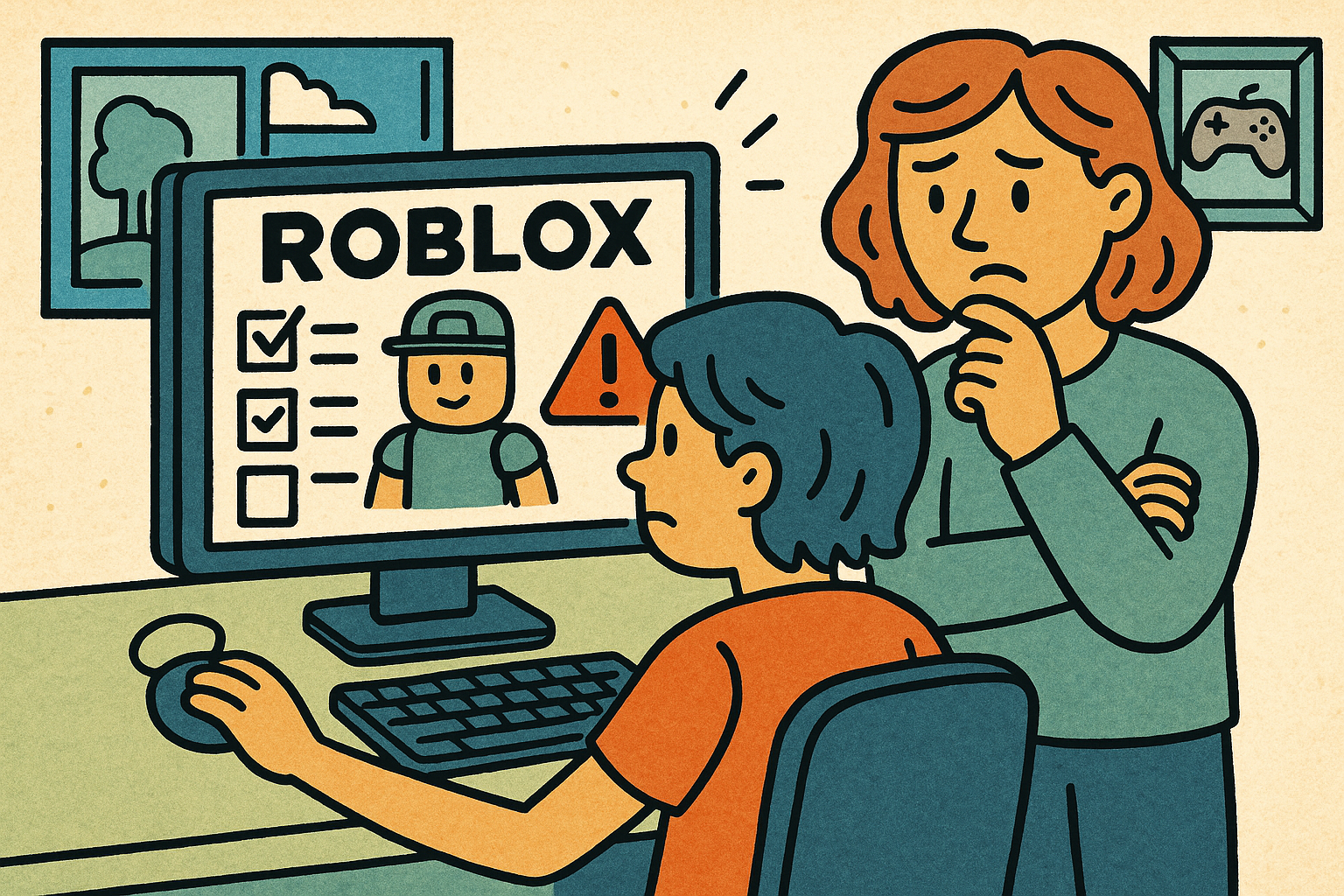
Roblox Parental Controls: A Complete Guide for Parents (What Works, What Doesn’t, and Why You Still Need to Stay Involved)
Roblox is one of the most popular games for kids, but are its parental controls really enough? This guide walks parents through every Roblox safety setting, explains what they mean, and highlights where the platform falls short — especially once children turn 13.
Research Review: Pew Research Center (2022). Teens, Social Media and Technology 2022
Our Research Review of Pew’s 2022 report explains how U.S. teens use social media and technology, and what these trends mean for parents.
Research Review: U.S. Surgeon General (2023). Social Media and Youth Mental Health: The U.S. Surgeon General’s Advisory
A plain-English review of the U.S. Surgeon General’s 2023 advisory on youth, social media, and mental health — what it says and what it means for parents.
Research Review: Are There Ages When Social Media Hits Harder?
This research review breaks down a major study on how social media impacts young people at different ages. We explain the findings in plain English and add Little Dopes commentary so parents can see what it means for their children.
The Ages Social Media Hits Hardest: What Parents Need to Know
Social media doesn’t affect all kids the same way. Research shows there are sensitive ages when teens are most at risk — but parents can take simple steps to protect sleep, confidence, and wellbeing.

Podcast 1:1: How can parents guide their children to healthier tech habits in a digital world?
What if you held the key to mastering your child's relationship with technology, ensuring they grow up healthy in a digital world? Join us as we navigate the intricate web of children's digital lives, offering insights from the CDC, the American Academy of Pediatrics, and HealthyChildren.org. We'll guide you through the "five C's" framework, a powerful tool to assess your child's online interactions and their impact on mental health, sleep, and family dynamics. Discover whether social media platforms themselves are to blame or if it's the way they're used that poses challenges, while we share strategies to promote real-life connections over the allure of curated digital personas.
As we explore the role of parents as tech role models, we emphasize the profound influence of our behaviors, like checking phones during dinner, on our children. Learn how to set intentional tech boundaries and foster a balanced relationship with technology in your home. From setting screen time limits to creating screen-free zones, we offer practical advice and introduce the "Family Media Use Plan" by the AAP to help you navigate this evolving landscape with confidence. Together, let's embrace our collective responsibility to guide the next generation toward healthier digital habits, all while adapting to the ever-changing tech world.

Teen Screen Time Statistics: What the Evidence Means for Parents
New CDC research reveals that 50.4% of teenagers spend 4+ hours daily on screens. Discover the latest statistics on screen time usage, health impacts, and expert guidelines for parents to protect their children's wellbeing